A republic is argued into existence.
Then argued into shape.
Article19 is an independent digital platform for evidence-based publications, structured discussion and moderated debate on the issues shaping India. We do not tell people what to think. We lay out the facts, the context and the arguments — and trust our readers to form their own view.
having solemnly resolved
to constitute India into a
SOVEREIGN SOCIALIST
SECULAR DEMOCRATIC
REPUBLIC…"
Why the Constitution of India matters
On 26 November 1949, after nearly three years of deliberation across 165 days of sittings and 2,473 amendments, the Constituent Assembly of India adopted the longest written constitution in the world. It came into force on 26 January 1950. In that single act, a colony of the British Empire became a sovereign democratic republic — not by declaration alone, but by the disciplined labour of drafting a rulebook citizens could live by.
The Constitution is not merely a legal text. It is a promise made by 1.4 billion Indians to each other — that power will be limited, that rights will be protected, and that disagreement will be settled through argument and law, not force. Every court judgment, every election, every debate in Parliament and every street protest ultimately draws its legitimacy from this document.
The Preamble opens with three words that quietly do the heaviest lifting in Indian public life: "We, the People." Sovereignty in India does not descend from a throne or a party. It rises from the citizen. That is the founding claim. Everything else — the elections, the courts, the rights, the debates — is machinery built to honour that claim.
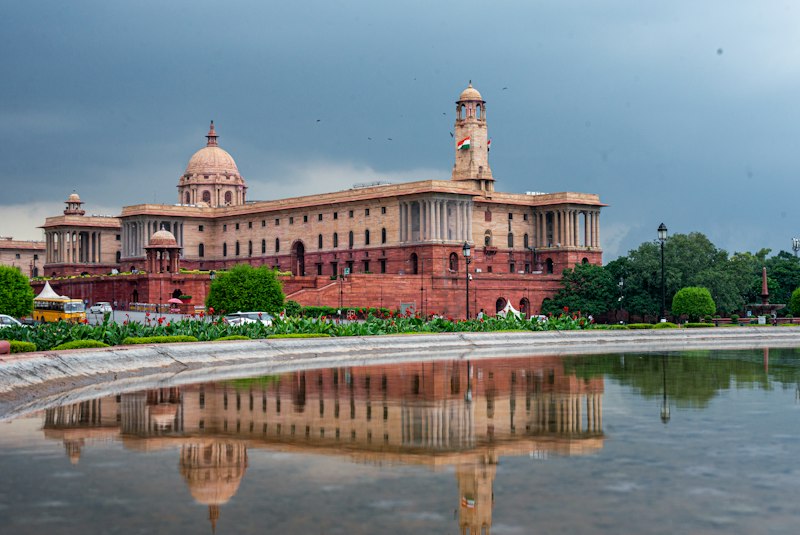
Rule of law
No one — not the state, not the majority — is above the Constitution. Judicial review is the safety catch on power.
Fundamental rights
Rights in Part III are not gifts from the government. They are limits on it. The Supreme Court can strike down laws that violate them.
Federal, plural, secular
States and centre share power. Faiths coexist under the law. Language, region and community are protected, not erased.
The right this platform is named for
Article 19 of the Constitution guarantees six freedoms to every citizen of India. It is the constitutional foundation of every newspaper published, every protest marched, every film released, every book written, every trade union organised — and every honest public argument, including this one.
These freedoms are not absolute
Article 19(2) permits the State to impose reasonable restrictions on the freedom of speech — in the interests of the sovereignty and integrity of India, the security of the State, friendly relations with foreign States, public order, decency or morality, or in relation to contempt of court, defamation, or incitement to an offence. The Supreme Court has spent seven decades — from Romesh Thappar (1950) to Shreya Singhal (2015) — testing where those limits legitimately lie.
Where the line falls between free expression and its restriction is not a settled question. It is a living argument, decided case by case, by judges, legislators and — ultimately — by citizens who are informed enough to notice. That is the work this platform exists to support.
Six times the courtroom
listened, and the country
had to listen too.
Every case below is a moment when Article 19(1)(a) — the freedom of speech and expression — did the thing it was written to do. A citizen spoke, or a paper published, or a filmmaker refused to be pulled from the screen. The state, or the mob, said no. The Supreme Court said the Constitution says yes.
Romesh Thappar v. State of Madras
Bennett Coleman & Co. v. Union of India
S. Rangarajan v. P. Jagjivan Ram
Secretary, Ministry of I&B v. Cricket Association of Bengal
Shreya Singhal v. Union of India
Anuradha Bhasin v. Union of India
In every one of these cases, someone spoke first — and the country changed because a court refused to silence them.
Not a mass movement. Not a political party. One editor. One publisher. One filmmaker. One cricket association. One law student. One journalist locked out of her own newsroom. Each of them read Article 19(1)(a), then Article 32 — the right to move the Supreme Court directly for enforcement of a fundamental right — and used both. Dr. Ambedkar called Article 32 the "heart and soul of the Constitution." Article 19 is the muscle it makes move.
A Constitution is only as strong
as the citizen willing to
invoke it.
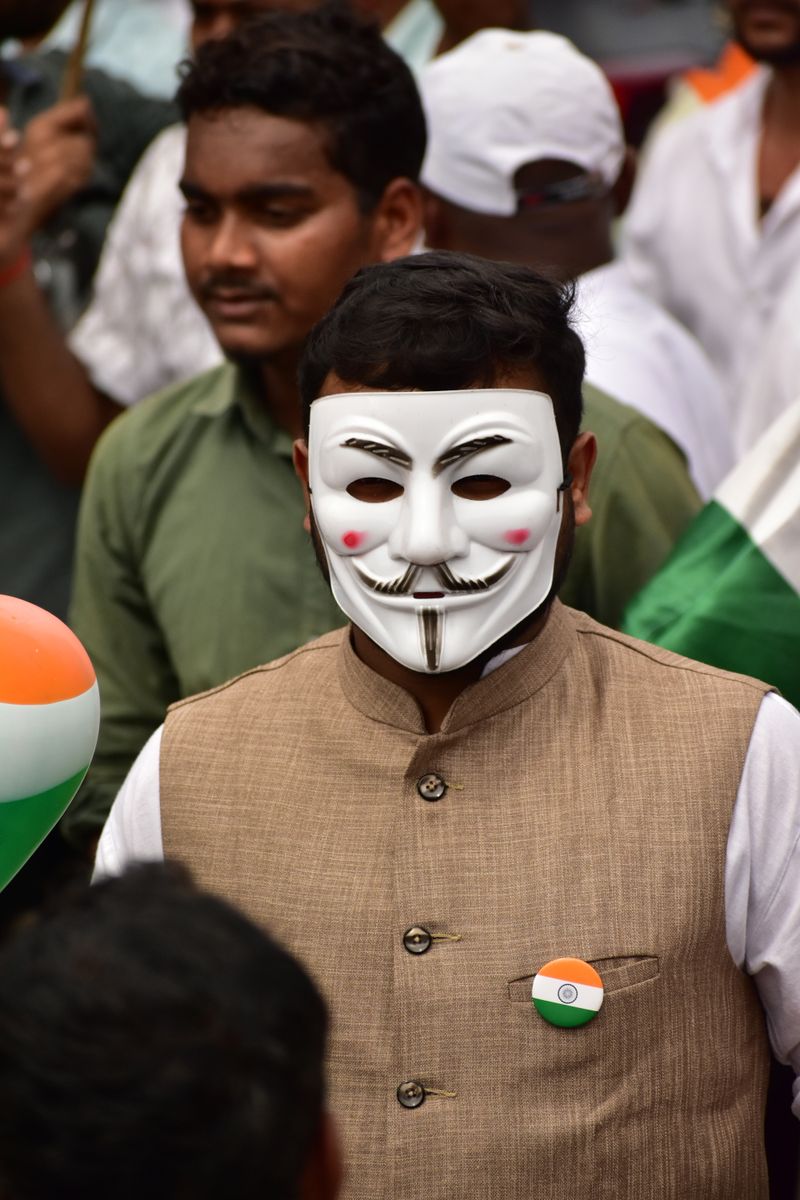
Every case in the section above began the same way: an ordinary person decided that what had been done to them, or to someone else, was not going to be accepted quietly. They wrote a petition. They walked into a courtroom. They were heard. Article 19(1)(a) is not a decorative line in a document — it is the reason any of them could reach that courtroom in the first place, and the reason a judge was obliged to listen.
India does not need every citizen to be a lawyer or a politician. It needs every citizen to know that the freedom of speech is theirs, that it has been used before, that it has worked before, and that it will atrophy if it is not used again. A right that is not exercised is a right that quietly disappears.
That is why Article19 exists. Not to persuade anyone to a position, but to give every reader the facts, the context and the arguments they need to reach a view that is properly their own — and then a place to say it out loud, in structured discussion and moderated debate, with the reasonable expectation of being heard.
Come. Speak. Bring the evidence. Disagree well. You will be heard here — because the whole architecture of this republic was designed so that you would be.
The country doesn't need more noise. It needs better arguments.
Indian public discourse is loud. It is not always well informed. Cable news optimises for outrage. Social media rewards certainty. Both make it harder to hold a serious thought in public for more than 90 seconds. We started Article19 because a democracy of 1.4 billion people deserves a room where the debate can slow down.
Every issue on this platform begins with research — an explainer that lays out the history, the current situation, the numbers, the government's position, and the arguments on multiple sides. Only then do we open the discussion. Only then do we host the debate. Only then do we run the poll. Not because our readers can't handle an opinion up front, but because they deserve the material to form one.
We are named for Article 19 because we believe the freedom it guarantees only becomes meaningful when citizens use it well — with evidence, with civility, and with a willingness to be persuaded. That is the standard we hold ourselves to. It is also the standard we invite you to hold us to.
The facts. The context. Your perspective.
Start with the current issue. Read the explainer. Then bring your view to the discussion.
Every voice reaches a human here.
Article19 is a small independent newsroom. Every address below is read by an editor, not a bot.